Is Botox Safe? Everything You Should Know Before Your First Treatment
Thinking about Botox for the first time? You are not alone. Millions of people across the UK choose anti wrinkle injections every year to soften fine lines and refresh their appearance. Yet one question comes up again and again. Is Botox actually safe?
The short answer is yes. Botox is considered safe when it is carried out by a qualified medical professional in a clinical setting. dIt has been used in medicine for decades and it remains one of the most researched cosmetic treatments in the world. That said there are important things you should understand before you book your appointment. This guide covers how Botox works and what the real risks are and how to make sure your treatment is as safe as possible.
What Is Botox and How Does It Work
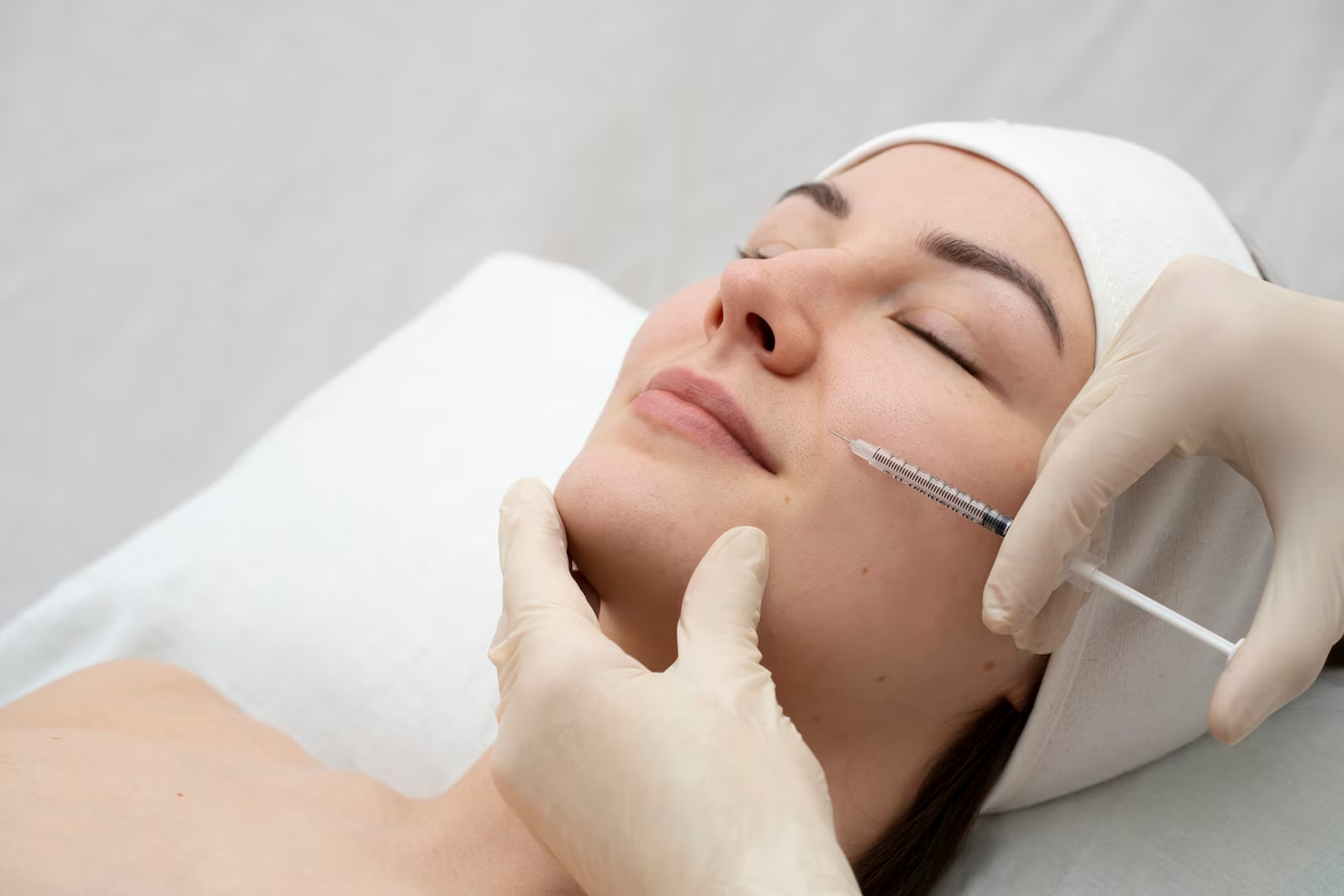
Botox is a brand name for botulinum toxin type A. It is a purified protein that is injected in very small and controlled doses into specific facial muscles. Once injected it temporarily blocks the nerve signals that tell those muscles to contract. When the muscle relaxes the skin above it smooths out and lines become softer.
This is why Botox works so well on dynamic wrinkles. These are the lines caused by repeated facial movement such as frown lines between the brows and forehead lines and crow’s feet around the eyes. The effect is temporary. Results usually appear within a few days and last around three to four months before the muscle activity gradually returns.
Botox is not only a cosmetic product. Doctors have used botulinum toxin for many years to treat medical conditions such as migraines and excessive sweating and teeth grinding. This long medical history is one of the reasons we know so much about its safety profile.
Is Botox Safe? What the Evidence Says
Botox has been studied in clinical trials for more than thirty years. It is licensed for cosmetic use in the UK and it has an excellent safety record when used correctly. The doses used for cosmetic treatment are tiny. They are measured in units and a typical facial treatment uses a fraction of what would ever be considered harmful.
The key phrase here is when used correctly. Almost every serious problem linked to Botox comes down to one of two things. Either the product was not genuine or the person injecting it did not have proper medical training. When a trained clinician uses a licensed product in the right dose and the right muscle the risk of serious harm is extremely low.
This is why the most important safety decision you will ever make about Botox is not about the product itself. It is about who holds the needle.
Common Side Effects of Botox
Like any injectable treatment Botox can cause some short term side effects. Most of them are mild and settle on their own within a few days. The most common ones include
- Slight redness or swelling at the injection points
- Small bruises where the needle entered the skin
- A mild headache in the first day or two
- Tenderness in the treated area
These reactions are normal and they are simply your skin responding to the injection itself. They usually fade quickly and most people return to their normal routine straight away. Many patients describe the treatment as far less uncomfortable than they expected. The needles used are very fine and each injection takes only a few seconds.
Rare Risks You Should Know About
Honest information matters more than reassurance. There are some rarer side effects that you should be aware of before you decide.
Drooping eyelid or brow. If the product spreads to a nearby muscle it can cause a temporary droop of the eyelid or eyebrow. This is uncommon and it is almost always linked to incorrect injection placement or poor aftercare. It wears off as the Botox wears off.
Uneven results. Sometimes one side of the face responds slightly differently from the other. A skilled practitioner will review your results after two weeks and make small adjustments if needed.
Allergic reaction. True allergic reactions to botulinum toxin are very rare. Your practitioner should always take a full medical history before treatment to reduce this risk.
Flu like symptoms. A small number of people feel slightly under the weather for a day or so after treatment. This passes quickly.
It is worth repeating that serious complications are rare and they are strongly linked to unqualified injectors and unlicensed products. This is exactly why choosing a medical professional is so important.
Who Should Avoid Botox
Botox is not suitable for everyone. You should not have anti wrinkle injections if you
- Are pregnant or breastfeeding
- Have a neuromuscular condition such as myasthenia gravis
- Have an active skin infection in the treatment area
- Have had a previous allergic reaction to botulinum toxin
You should also tell your practitioner about any medicines you take. Blood thinners for example can increase the chance of bruising. A responsible clinician will always go through your medical history in detail before agreeing to treat you. If a provider is willing to inject you without asking these questions that is a warning sign and you should walk away.
Why Your Practitioner Matters More Than Anything Else
Here is the truth that many people do not realise. In the UK it is still legal in many settings for people without medical training to inject Botox like products. This has led to a rise in complications from treatments carried out in homes and salons by injectors with little or no clinical knowledge.
A medical professional brings three things that no short training course can replace. First is a deep understanding of facial anatomy. Knowing exactly which muscle to treat and how deep to inject and how much product to use is what separates natural results from frozen faces and complications. Second is the ability to manage any problem if one occurs. Third is access to genuine licensed products through proper prescribing channels.
Before you book anywhere ask these questions. Is the injector a registered medical professional? Will a proper consultation take place before treatment? Is the product licensed in the UK? Where does the treatment take place? A clean clinical environment matters. If the answers are vague then keep looking.
How We Approach Botox Safety at SJ Aesthetics
At SJ Dental and Facial Aesthetics every treatment is carried out by Dr Shraddha Jagani who is a qualified dental surgeon with advanced training in facial aesthetics. Dentists spend years studying the anatomy of the face and head in fine detail which makes them exceptionally well placed to deliver safe and precise injectable treatments.
Every patient starts with a full consultation. Dr Jagani takes time to understand your medical history and your concerns and the results you actually want. There is never any pressure to go ahead. Treatment plans are personalised and the focus is always on natural refined results rather than dramatic change. Patients often say the best compliment is when friends notice they look refreshed but cannot tell why.
After your treatment you receive clear aftercare guidance and a follow up review. If any small adjustment is needed it is taken care of. This complete approach from consultation to aftercare is what safe aesthetic practice should look like.
Botox Aftercare Tips for a Safe Result
What you do in the first day after treatment also plays a part in your safety and your results. Follow these simple rules
- Stay upright for at least four hours after your injections
- Do not rub or massage the treated area for twenty four hours
- Avoid heavy exercise for the rest of the day
- Skip saunas and steam rooms and hot yoga for a day or two
- Avoid alcohol on the day of treatment as it can increase bruising
These small steps help keep the product exactly where it was placed and reduce the chance of side effects.
Frequently Asked Questions
Is Botox safe long term?
Yes. Studies following patients over many years have not shown harmful long term effects from cosmetic doses. Many people have regular treatments for decades without problems.
Can Botox be reversed?
There is no reversal agent but the effects are always temporary. Muscle movement returns fully within a few months.
Is Botox safe for first timers in their twenties or thirties?
Yes when there is a genuine cosmetic reason and a proper consultation. A responsible practitioner will tell you honestly if you do not need treatment yet.
Does Botox hurt?
Most people feel only a tiny pinch that lasts a few seconds. The needles used are very fine and the treatment is over within minutes. Numbing cream can be applied if you are nervous about needles.
What happens if you stop getting Botox?
Nothing harmful happens at all. Your muscles simply return to their normal movement and your lines gradually come back to how they were before. Botox does not make wrinkles worse once it wears off.
The Bottom Line
So is Botox safe? In the right hands yes. It is one of the most studied and widely used cosmetic treatments in the world with a strong safety record built over decades. The real risk is not the product. It is choosing the wrong person to inject it.
If you are considering anti wrinkle treatment in Heanor or the wider Derbyshire and Nottingham area book a consultation with Dr Shraddha Jagani at SJ Dental and Facial Aesthetics. Ask every question on your mind and get honest medical advice before you decide. Your face deserves nothing less than expert care.